




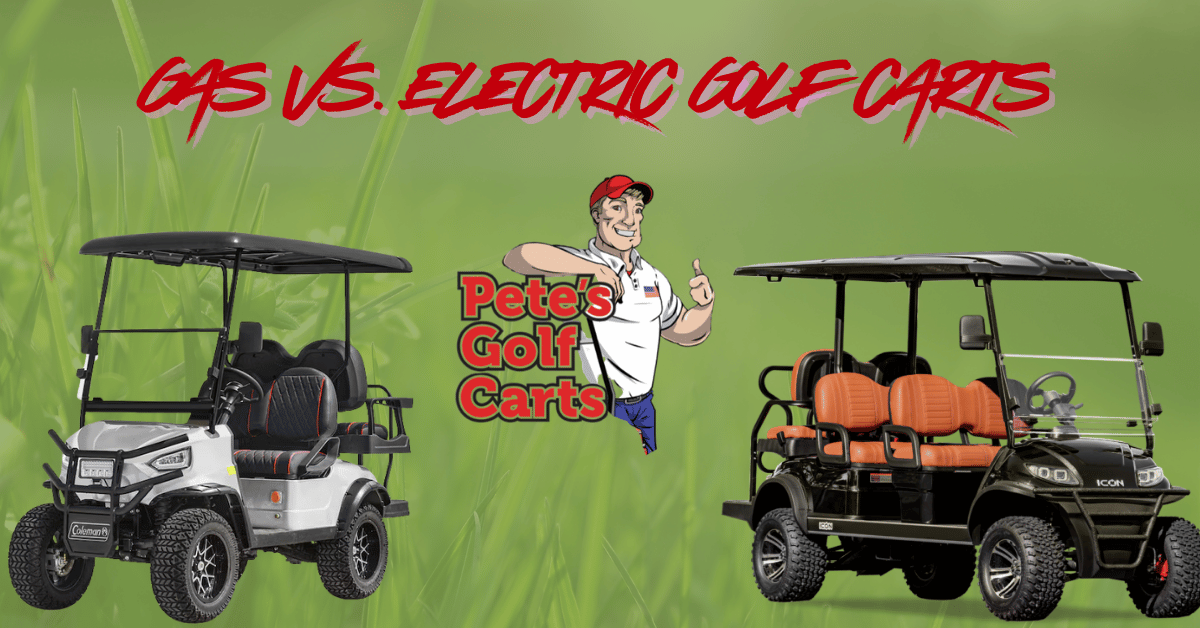
Choosing between a gas and electric golf cart can be a tricky decision, often hinging on factors like performance, maintenance, and environmental impact. While both serve the same fundamental purpose – getting you and your clubs around the course – their internal workings, and consequently their parts, are vastly different. Understanding these distinctions is crucial for informed purchasing, effective maintenance, and even potential upgrades.
This comprehensive guide will explore the key part differences between gas and electric golf carts, helping you make the best choice for your needs.
The Powerhouse: Engine vs. Batteries
This is arguably the most significant difference, dictating much of the cart’s operational and maintenance profile.
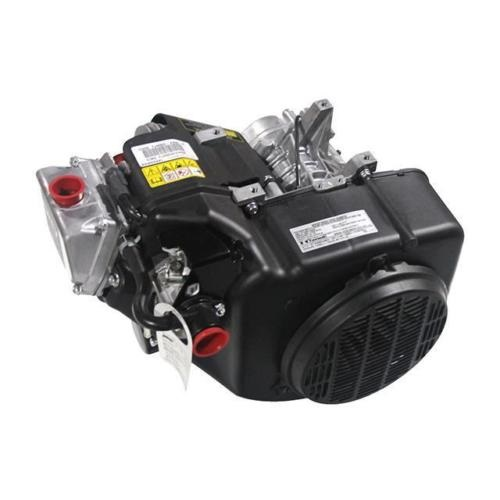
Gas Golf Carts: The Internal Combustion Engine
At the heart of a gas golf cart is a small internal combustion engine, remarkably similar in principle to what you’d find in a car, albeit on a much smaller scale.
- Engine Block: This is the foundational structure, typically made of cast iron or aluminum, housing the cylinders, pistons, and crankshaft.
- Pistons & Cylinders: These components work in tandem to convert the energy from burning fuel into mechanical motion. As fuel ignites, it pushes the piston down the cylinder.
- Crankshaft: This rotating shaft converts the linear motion of the pistons into rotational motion, which is then transmitted to the wheels.
- Carburetor (or Fuel Injectors): The carburetor mixes air and fuel in the correct proportions before sending it to the engine. More modern gas carts might use fuel injection for better efficiency and performance.
- Spark Plugs: These crucial parts ignite the air-fuel mixture in the cylinders, initiating the combustion process. Regular replacement of spark plugs is a common maintenance task.
- Exhaust System: Similar to a car, a gas golf cart has an exhaust manifold, catalytic converter (in some models for emission control), and muffler to expel exhaust gases and reduce noise.
- Fuel Tank: Stores the gasoline that powers the engine.
- Air Filter: Prevents dirt and debris from entering the engine, protecting its internal components. Regularly checking and replacing your air filter is essential for engine longevity.
Electric Golf Carts: The Battery Bank
Electric golf carts, in contrast, rely on a bank of deep-cycle batteries to store energy and power an electric motor.
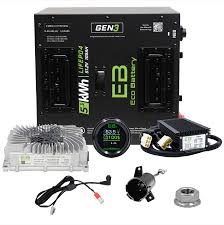
- Batteries: Typically, electric golf carts use lead-acid batteries (6V or 8V, often in a series of four, six, or eight) or, increasingly, lithium-ion batteries. These are designed for deep discharges, meaning they can be drained significantly and recharged many times. The type and condition of your golf cart batteries directly impact range and power.
- Battery Charger: An external unit that plugs into a standard electrical outlet to recharge the batteries. The type of charger must be compatible with your battery type and voltage.
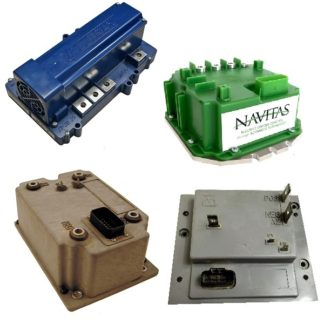
- Controller: Often referred to as the “brain” of the electric cart, the controller regulates the flow of electricity from the batteries to the motor based on the accelerator pedal input. We’ll delve deeper into controllers shortly.
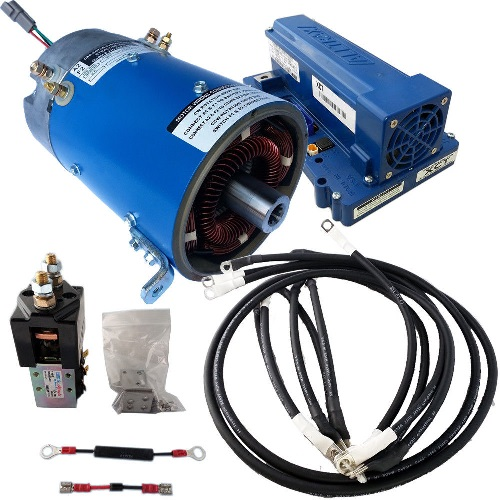
- Electric Motor: This motor converts electrical energy from the batteries into mechanical energy to drive the wheels. Unlike gas engines, electric motors are typically maintenance-free for many years.
- Solenoid: An electromagnetic switch that connects the battery pack to the controller and motor when the accelerator is pressed.
- Battery Cables: Heavy-duty cables connect the individual batteries in series and connect the battery bank to the controller and motor.
The Brains of the Operation: Controllers
Both types of golf carts have systems that control their speed and power delivery, but they achieve this in fundamentally different ways.
Gas Golf Cart Controls
- Governor: Gas golf carts typically use a mechanical governor system that limits the engine’s RPMs, thus controlling the top speed. This can sometimes be adjusted for higher speeds, but it’s often recommended to leave it at the factory setting for longevity.
- Throttle Cable: Connects the accelerator pedal to the carburetor (or fuel injection system), controlling the amount of fuel and air entering the engine.
Electric Golf Cart Controllers
The controller in an electric golf cart is a much more sophisticated piece of technology.
- Function: It precisely manages the power output from the batteries to the motor, allowing for smooth acceleration and deceleration. Different controllers offer varying levels of performance, from basic to high-amperage, offering more torque and speed.
- Types: There are two main types:
- Series Controllers: Simpler and generally found in older carts, providing good torque but less speed control.
- Sepex (Separately Excited) or Shunt Controllers: More advanced, offering better speed control and efficiency, often found in newer, higher-performance electric carts.
- Upgrading your golf cart controller is a popular modification for those seeking more power or speed from their electric cart.
Fuel Delivery vs. Electrical Wiring
The methods of supplying power to the propulsion system are inherently different.
Gas Golf Carts: Fuel System
- Fuel Pump: Draws gasoline from the fuel tank and delivers it to the fuel filter.
- Fuel Filter: Removes impurities from the gasoline before it reaches the carburetor or fuel injectors, protecting them. Regularly replacing your fuel filter is vital.
- Fuel Lines: Hoses that transport gasoline throughout the system.
Electric Golf Carts: Electrical System
- Wiring Harness: A complex network of wires and connectors that distribute electricity to the motor, controller, lights, and other accessories.
- Fuses & Circuit Breakers: Protect the electrical components from overcurrents.
- Key Switch: Activates the main power to the cart’s electrical system.
- Forward/Reverse Switch: Changes the polarity to the motor, allowing the cart to move forwards or backwards.
Drivetrain & Transaxle
While both types of carts have a drivetrain to transfer power to the wheels, there are subtle differences in their design due to the nature of their power source.
- Transaxle: Both gas and electric golf carts utilize a transaxle, which combines the transmission and differential into a single unit. This unit transfers power from the engine/motor to the rear wheels.
- Clutch (Gas Carts Only): Gas carts typically have a centrifugal clutch system that engages the engine with the transaxle as the engine RPMs increase.
- Motor/Transaxle Coupling (Electric Carts): Electric motors are usually directly coupled to the transaxle, simplifying the power transfer.
Comparative Table: Gas vs. Electric Golf Cart Parts
To make the differences even clearer, here’s a table summarizing the key distinctive parts:
| Part Category | Gas Golf Cart | Electric Golf Cart |
| Power Source | Internal Combustion Engine (ICE) | Battery Bank (Lead-Acid or Lithium-Ion) |
| Fuel/Energy Storage | Fuel Tank (Gasoline) | Batteries |
| Power Conversion | Pistons, Crankshaft, Carburetor/Fuel Injectors, Spark Plugs | Electric Motor, Controller |
| Power Delivery | Fuel Pump, Fuel Filter, Fuel Lines, Throttle Cable | Battery Cables, Solenoid, Wiring Harness, Fuses/Circuit Breakers |
| Speed Control | Governor | Controller (Series or Sepex) |
| Starting Mechanism | Starter Motor, Starter Generator | Solenoid (activates motor), Key Switch |
| Exhaust System | Exhaust Manifold, Muffler, Catalytic Converter (some models) | N/A (no exhaust) |
| Maintenance Focus | Engine (oil, filters, spark plugs), Fuel System | Batteries (water levels, terminals, charging), Electrical System |
Maintenance Considerations:
Understanding these part differences also highlights the distinct maintenance requirements for each type of cart.
- Maintaining Gas Golf Carts: Requires regular oil changes, spark plug replacement, air filter and fuel filter changes, and occasional carburetor adjustments. Engine components like belts and hoses also need periodic inspection.
- Maintaining Electric Golf Carts: Primarily focuses on battery care, including checking water levels (for lead-acid), ensuring clean terminals, and proper charging practices. Beyond that, electric carts generally require less mechanical maintenance, focusing more on electrical connections and brake systems. Read more about Maintaining Electric Golf Carts here.
Conclusion
Gas and electric golf carts, despite their shared purpose, are fundamentally different machines. The internal combustion engine and its associated parts define the gas cart, demanding specific fuel and regular mechanical maintenance. The electric cart, conversely, relies on a sophisticated battery system, electric motor, and controller, which simplifies mechanical upkeep but necessitates diligent battery management.
By understanding these core distinctions, you can make an educated decision that aligns with your priorities, whether that’s the raw power and extended range of a gas cart or the quiet, eco-friendly operation of an electric model.